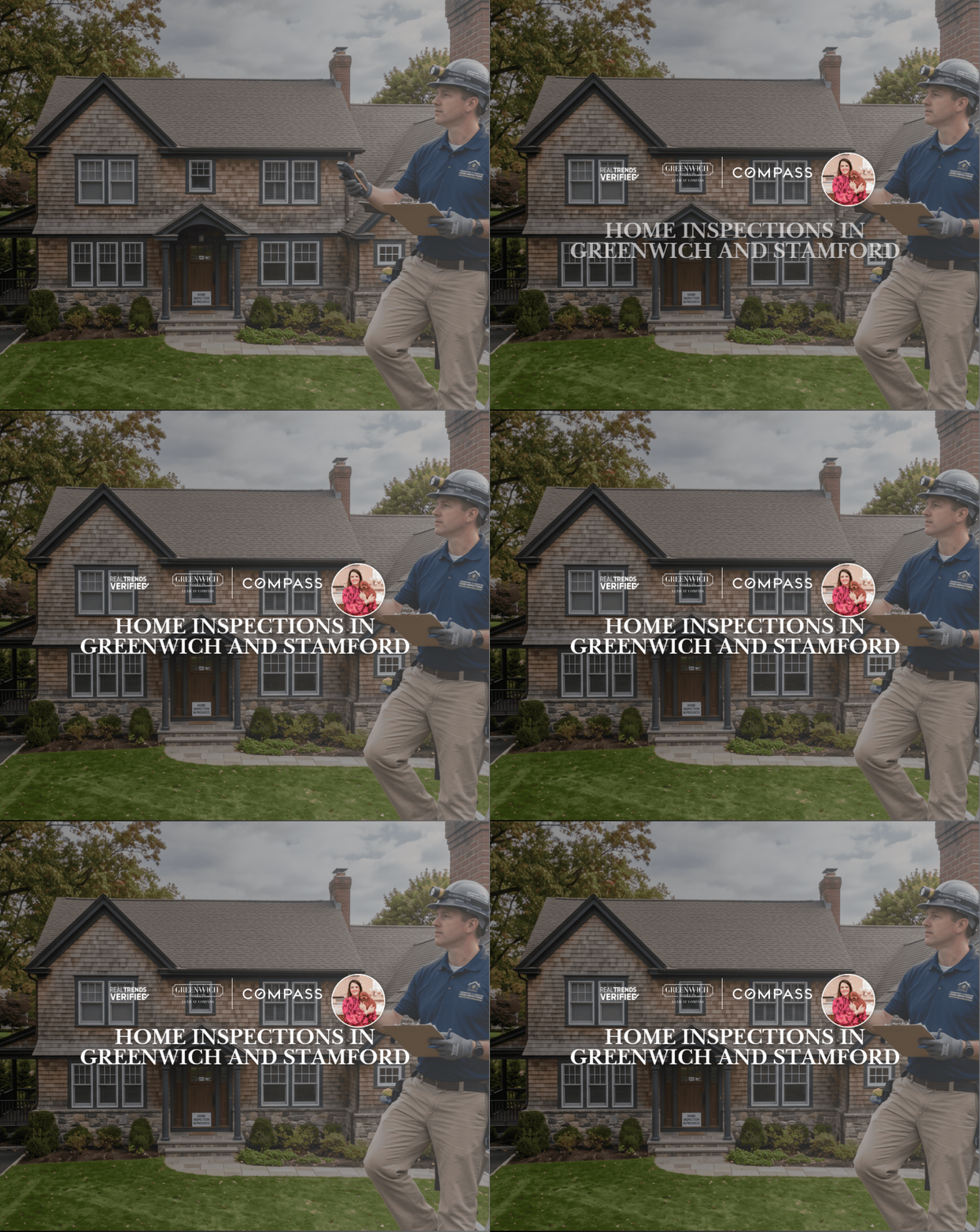
Home Inspections in Greenwich and Stamford
Dena Zarra | July 13, 2026
Blog
Dena Zarra | July 13, 2026
Blog
If you have bought a home before, you know the feeling. The offer is accepted, you are finally under contract, and then the inspection report lands in your inbox looking like a small novel. Every home, no matter how well maintained, comes back with a list. I have seen it with hundred-year-old colonials, and I have seen it with homes that closed on new construction six months earlier.
So, let's talk about what that report means, and what to do with it, because this is the part of the process where I see buyers either handle it exactly right, or completely overcorrect.
I come at this from a slightly different angle than most agents. Before real estate, I spent years around renovation and building, so I know what a real problem is and what is normal wear on a house. A home inspection exists to give you a professional, unbiased read on the condition of the property before you are financially locked in. It tells you what you cannot see just by walking through with a real estate agent on a Sunday afternoon.
Skipping it, or rushing through it, is one of the most expensive mistakes a buyer can make. This is likely the largest purchase of your life. A few hundred dollars for a thorough inspection is nothing compared to what you could be walking into without one.
Greenwich and Stamford homes vary a lot, from historic properties near the water to newer construction further inland, and the inspection package should reflect that. In our area, a complete inspection typically includes:
Building inspection. This covers the structure, roof, electrical system, plumbing, and HVAC. It is the foundation of the whole report, and it is where a licensed inspector will flag anything from an aging roof to an outdated electrical panel.
Radon testing. Connecticut sits in a region with naturally elevated radon levels due to the underlying geology. Radon is a colorless, odorless gas linked to long-term health risks, and testing is standard here for good reason. This is not optional in my book.
Pest and wood-destroying insect inspection. Termites and carpenter ants are a real concern in our region, especially in older homes with wood-frame construction. This inspection catches damage that a general inspector might not specialize in.
Septic inspection. If the home is not connected to town sewer, the septic system needs its own dedicated inspection. Septic failures are expensive, often five figures, and they will not show up on a standard building inspection.
Well water testing. Homes on private wells need water quality and flow testing. You are looking at things like bacteria, nitrates, and water pressure, none of which a general inspector is qualified to evaluate.
Pool inspection, if applicable. If the property has a pool, get it inspected separately. Pool equipment, liners, and heaters are costly to repair or replace, and problems are not always obvious from a visual walkthrough.
If your home search includes properties with any of these features, do not treat them as optional add-ons. They are part of doing your due diligence correctly.
Here is the part I really want buyers to hear. An inspection report is not a checklist for renegotiating the entire deal. It is a tool to identify anything that affects the health, safety, or structural integrity of the home.
That means things like:
Active water intrusion or a compromised foundation
Outdated or unsafe electrical wiring
A septic system that is failing or near end of life
Elevated radon levels
Structural issues with the roof or framing
Pest damage that has compromised structural wood
These are worth bringing to the seller. These affect how safe the home is to live in, and what it will cost you to fix. This is where your inspection contingency should be focused.
Every single inspection report includes a long list of minor items. A loose cabinet hinge. A GFCI outlet that needs resetting. A little cracked caulk around a tub. Paint touch-ups. A door that sticks in humid weather. These are the kind of things every homeowner deal with, in every home, forever.
Asking a seller to fix or credit every minor item on the list is one of the most common mistakes I see buyers make, especially first-time buyers who are reading an inspection report for the first time and understandably feeling overwhelmed by the length of it. It rarely gets you meaningful value, and it can put real strain on a negotiation that was otherwise going smoothly. Sellers notice when a request list reads like nitpicking instead of legitimate safety concerns, and it can affect their willingness to negotiate on the things that matter.
My advice is simple. Separate the list into two categories in your head: what affects health, safety, or the long-term integrity of the home, and what does not. Negotiate the first category. Let the second one go.
A home inspection is one of the most valuable steps in the buying process, and it deserves to be taken seriously. Building, radon, pest, septic, well, and pool inspections where applicable are all standard here in Greenwich and Stamford, and I recommend all of them without exception.
But once the report is in hand, be the buyer who reads it with a level head. Focus on health and safety. Let the small stuff go. That is how you protect your investment, keep the deal moving, and walk into your new home with real peace of mind, not just a longer punch list.
Have questions about the inspection process for your next purchase in Greenwich or Stamford? Reach out to the Greenwich Streets Team at Compass. We will walk you through exactly what to expect.
Dena Zarra | Greenwich Streets Team at Compass
Luxury guidance. Honest advice. Exceptional results.
Do I need a radon test when buying a home in Greenwich or Stamford, CT?
Yes. Connecticut's geology puts the region at higher risk for elevated radon levels, and radon testing is a standard part of a full inspection package here.
What inspections are typical for homes in Greenwich and Stamford?
A full inspection package here usually includes a general building inspection, radon testing, a pest inspection, a septic inspection if the home is not on town sewer, a well water test if the home has a private well, and a pool inspection if the property has one.
Should I ask the seller to fix every item on the inspection report?
No. Focus your requests on items that affect health, safety, or structural integrity. Asking for repairs on minor cosmetic or quick-fix items rarely adds value and can hurt an otherwise smooth negotiation.
What counts as a health and safety issue on an inspection report?
Examples include a compromised foundation, active water intrusion, outdated or unsafe electrical wiring, a failing septic system, elevated radon levels, and structural roof or framing issues.
Is a home inspection worth the cost?
Yes. Given that a home is typically the largest purchase most people make, the cost of a thorough inspection is minor compared to the risk of purchasing a property with undisclosed structural, safety, or system issues.
Stay up to date on the latest real estate trends.

Blog

Blog

Blog

Blog

Blog

Blog

Blog

Blog

Market Report
Discover the best places to live across Greenwich
We are a dedicated group of Greenwich natives. We have a deep passion for our hometown and enjoy everything the town offers its residents from the beach front to the backcountry. That is why we don’t find you just any home, we find you the right home.
MARK PRUNER
DENA ZARRA
RUSSELL PRUNER
COMPASS
200 Greenwich Ave
3rd Fl Greenwich, CT 06830