Why Is Old Greenwich Real Estate Different From the Rest of Greenwich?
Russell Pruner | July 24, 2026
Blog
Russell Pruner | July 24, 2026
Blog
I have been selling real estate in Greenwich since 1986. I grew up here, went to school here, and have watched this town change across four decades. One thing has stayed consistently true through all of it: Old Greenwich is its own market, and it does not behave like the rest of Greenwich.
If you are researching Greenwich real estate broadly and applying that picture to Old Greenwich, you are working from incomplete information. This is a village within a town, with its own rhythm, its own buyer pool, and its own pricing logic.
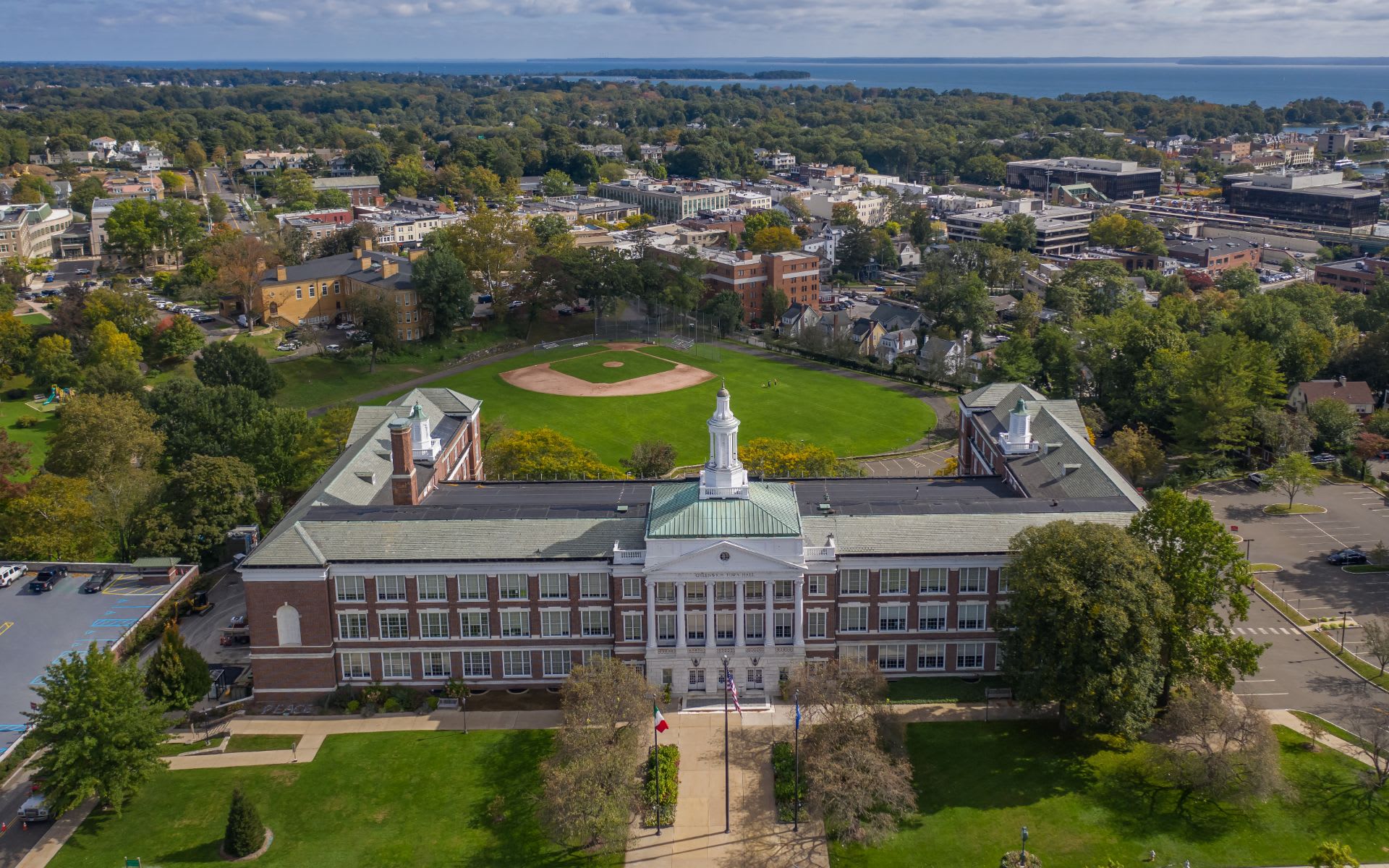
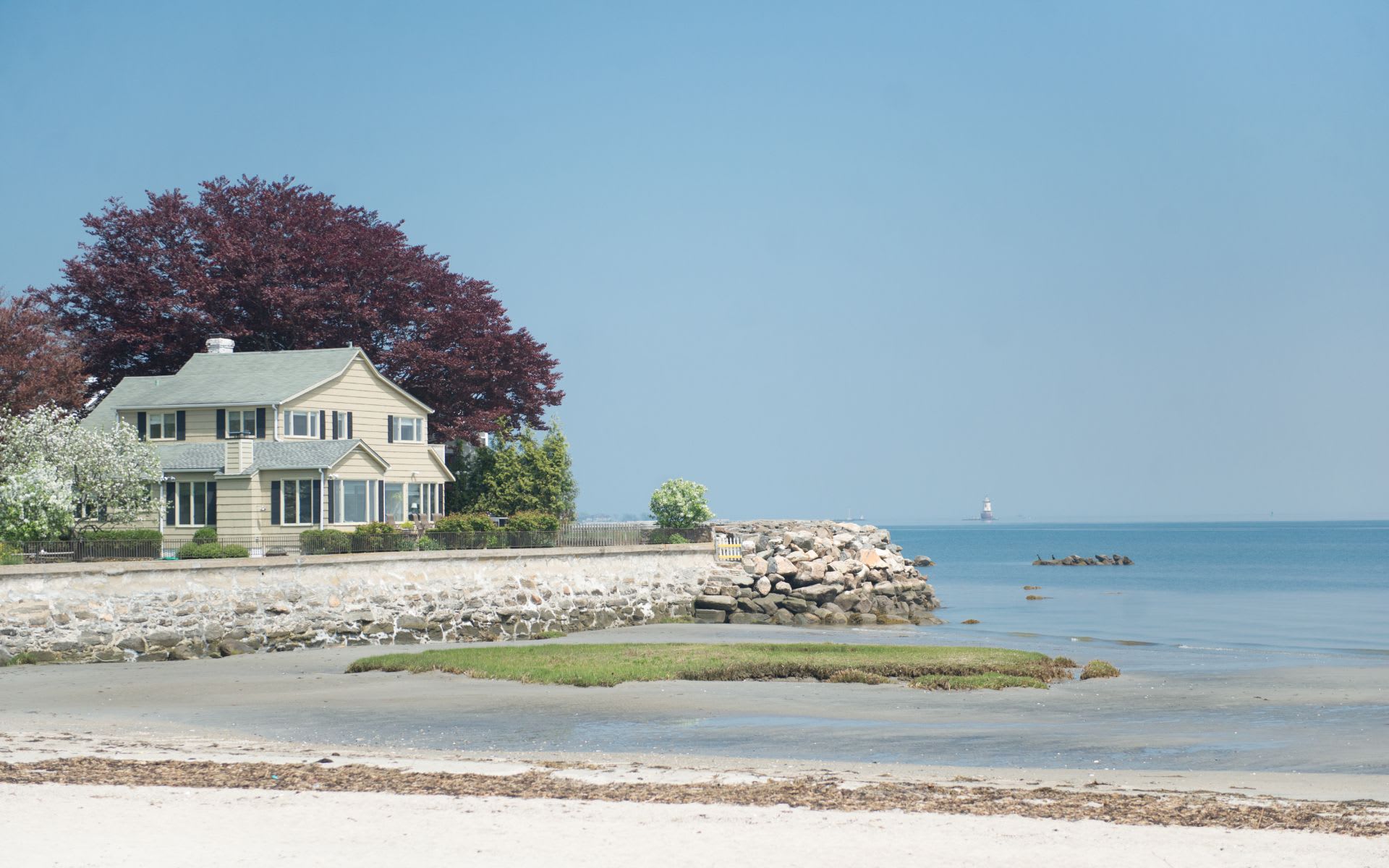
The core of it comes down to geography and scarcity. Old Greenwich has a walkable village center: Sound Beach Avenue & Arcadia Road, the train station, a handful of coffee shops and small restaurants, and easy access to Tod's Point and Greenwich Point. That combination of walkability, transit, and beach access is genuinely rare in Fairfield County. It is not a lifestyle nicety. It is the reason homes inside that village footprint are priced differently than homes ten minutes away that look similar on paper.
That scarcity shapes everything else. There is only so much housing stock within comfortable walking distance of the village, the train, and the water, and very little of it turns over in a given year. When something in that footprint does come to market, buyers move quickly, because they know another one might not appear for months.
For anyone thinking about buying or selling here, understanding why Old Greenwich behaves this way matters more than any single price point. It tells you how to time a purchase, how to price a listing, and how to think about a property's true value inside this specific pocket of Greenwich.
The village center is the single biggest driver of value in this neighborhood. Buyers are not just paying for a house. They are paying for the ability to walk to Old Greenwich Elementary School, the train, walk to coffee, and walk or bike to the beach without getting in a car.
In my experience representing buyers and sellers here, homes within that walkable footprint consistently draw stronger demand and hold their value better than comparable homes just outside it, even when the houses themselves are nearly identical. The exact premium moves with the market and the season, so I always pull current comps before putting a number on it for a client rather than quoting a fixed figure.
Old Greenwich draws a distinct buyer. Many are relocating from Manhattan or the Upper East Side and want the train commute, the beach, and a genuine sense of community rather than a typical suburban feel. Others are already in Greenwich and moving toward the village specifically for that walkability.
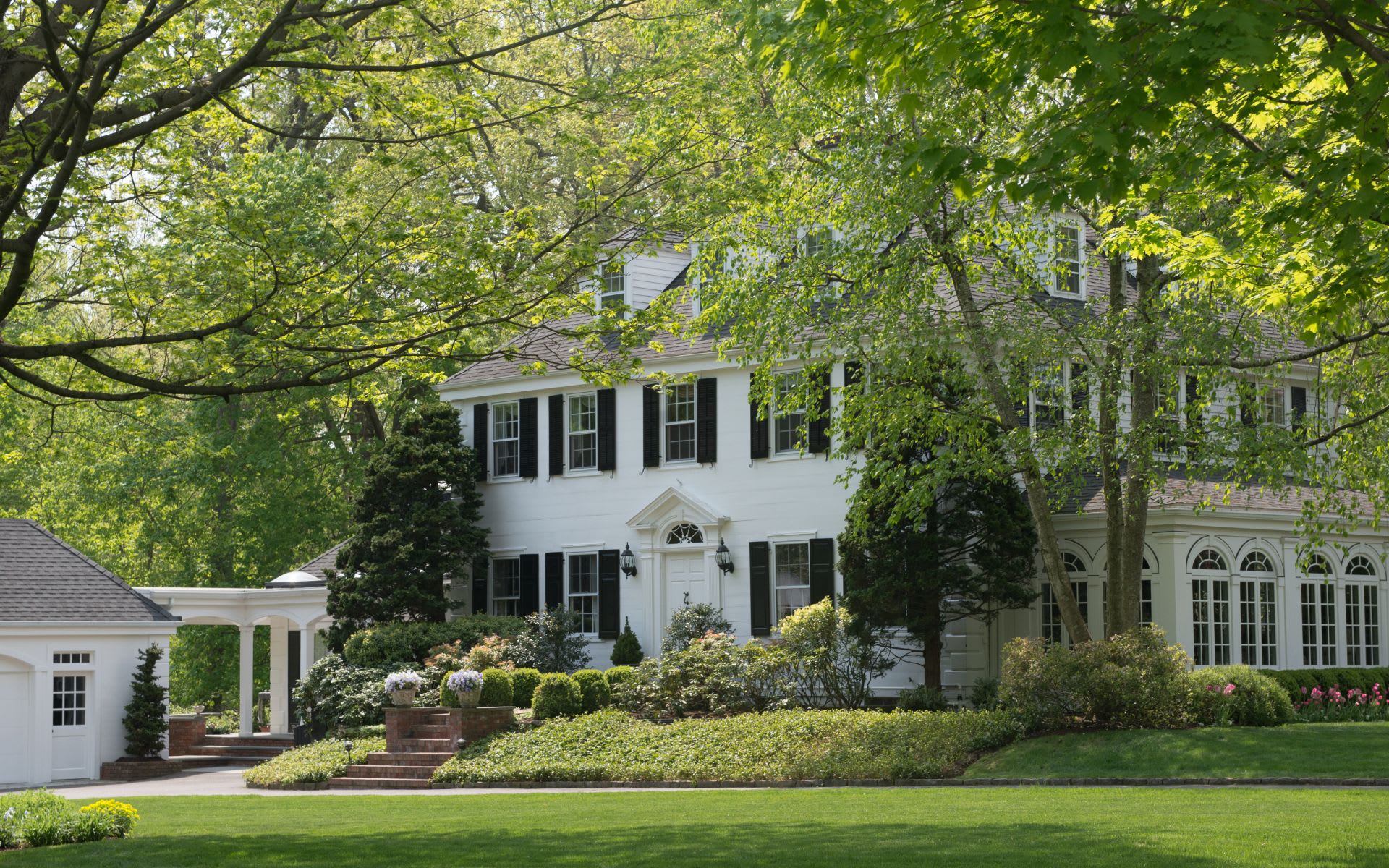
Knowing who you're marketing to changes how a property should be positioned. The approach that works for a mid-country estate does not work the same for an Old Greenwich colonial two blocks from the train, and treating them the same undersells the second one.
There is a finite amount of desirable housing within the village footprint, and it simply does not come to market often. Owners tend to stay put once they've secured a home close to the beach, the train, and the center of the village.
For sellers, that scarcity is real leverage. For buyers, it means the work has to happen before you find the house, not after. Financing in order, a clear sense of your must-haves, and a broker who will call you the day something comes up, not after it's already under contract.
More than most buyers expect. The difference between a home on the water side of Shore Road and a comparable home three streets inland can be significant, and it is the kind of nuance that does not show up in a general market report.
Street-level knowledge matters here in a way it doesn't in more uniform markets. That is the part of this that takes years, not a quick market scan, to actually understand.
Whether this is your first purchase in Old Greenwich or you're considering selling a home you've lived in for years, I'd welcome the conversation. That local knowledge is also backed by the Greenwich Streets Team at Compass, so alongside working with me directly, you have a team behind the process at every step.
Russell Pruner | Senior Real Estate Specialist | CRS | GR | SRES | Six-Time GAR-GMLS President | 40+ Years in Greenwich | Greenwich Streets Team at Compass
Last updated: July 2026
Not automatically, but homes within the walkable village footprint, close to the train and the beach, tend to command a premium over comparable homes further out. Location within the neighborhood matters as much as the neighborhood itself.
Well-priced homes in the village footprint tend to move quickly, and multiple-offer situations are still common for the right property. Timelines shift with the broader market, so current numbers are worth checking before you set expectations.
Many buyers are relocating from New York City, especially the Upper East Side, drawn by the train commute and a walkable, beach-close lifestyle. Others already live in Greenwich and are moving toward the village specifically for that feel.
Yes, more than in most markets. Proximity to the water, the village center, and the train can shift value meaningfully even between homes just a few streets apart.
That depends on your timeline and what you're looking for, since inventory in the village footprint is limited and doesn't follow the same patterns as the broader Greenwich market. A conversation about your specific goals is more useful than a general market call.
Stay up to date on the latest real estate trends.

Blog
Blog

Blog
Blog
Blog
Market Report

Blog
Blog

Blog
Discover the best places to live across Greenwich
We are a dedicated group of Greenwich natives. We have a deep passion for our hometown and enjoy everything the town offers its residents from the beach front to the backcountry. That is why we don’t find you just any home, we find you the right home.
MARK PRUNER
DENA ZARRA
RUSSELL PRUNER
COMPASS
200 Greenwich Ave
3rd Fl Greenwich, CT 06830