Should You Buy the Old Greenwich House That Needs Work?
Dena Zarra | November 18, 2026
Blog
Dena Zarra | November 18, 2026
Blog
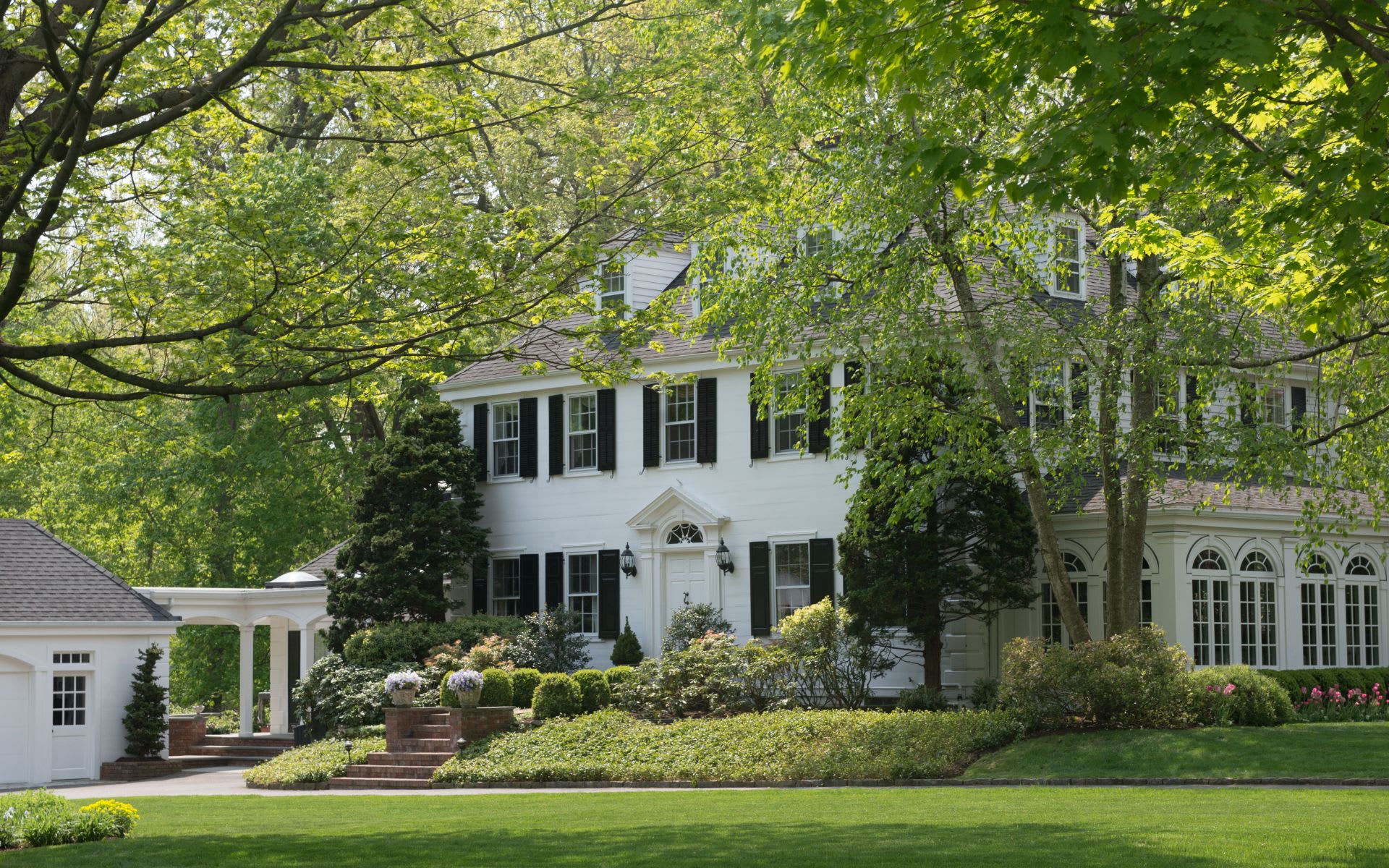
Almost every buyer I work with in Old Greenwich reaches the same crossroads. On one street there is the finished house: new kitchen, fresh paint, priced for all of it. A few blocks away there is the house with the dated baths, the original windows and a price that leaves room for a vision. Which one should you buy?
Because my background includes renovation and new construction as well as real estate, this is one of my favorite questions to answer. A house that needs work can be the smartest purchase you ever make. It can also be the most expensive lesson. The difference usually comes down to what you check before you make an offer, not after.
Here is how I help buyers think it through, so you can walk into an Old Greenwich house that needs work with clear eyes and a realistic budget.
Cosmetic work is the good news. Paint, flooring, lighting, kitchen and bath finishes: these projects are visible, predictable to price and often add real value. The risk lives in what you cannot see on a first showing.
When I walk into a house with a buyer, I look past the kitchen first. I check the basement for signs of water, the roofline, the age of the windows, the heating system and the grading around the foundation. Those are the places where a "light renovation" quietly becomes a major one. A dated kitchen is a choice. A wet basement or a tired foundation is a problem you inherit.
A little homework up front protects you from the biggest surprises:
Permit history. The Town of Greenwich Building Department keeps records of past permits. Work that was done without permits can be costly to correct later.
The right inspections. A general home inspection is the start. For an older home, consider a structural engineer, a check for a buried oil tank and a look at drainage and sewer or septic lines.
A contractor walk-through. Bringing a contractor during your inspection period turns a guess into a real estimate before you are committed.
Zoning limits. Greenwich limits how much you can build on a lot through floor area ratio rules and setbacks. The addition or second floor you are picturing may not be allowed, so confirm it before you fall in love with the plan.
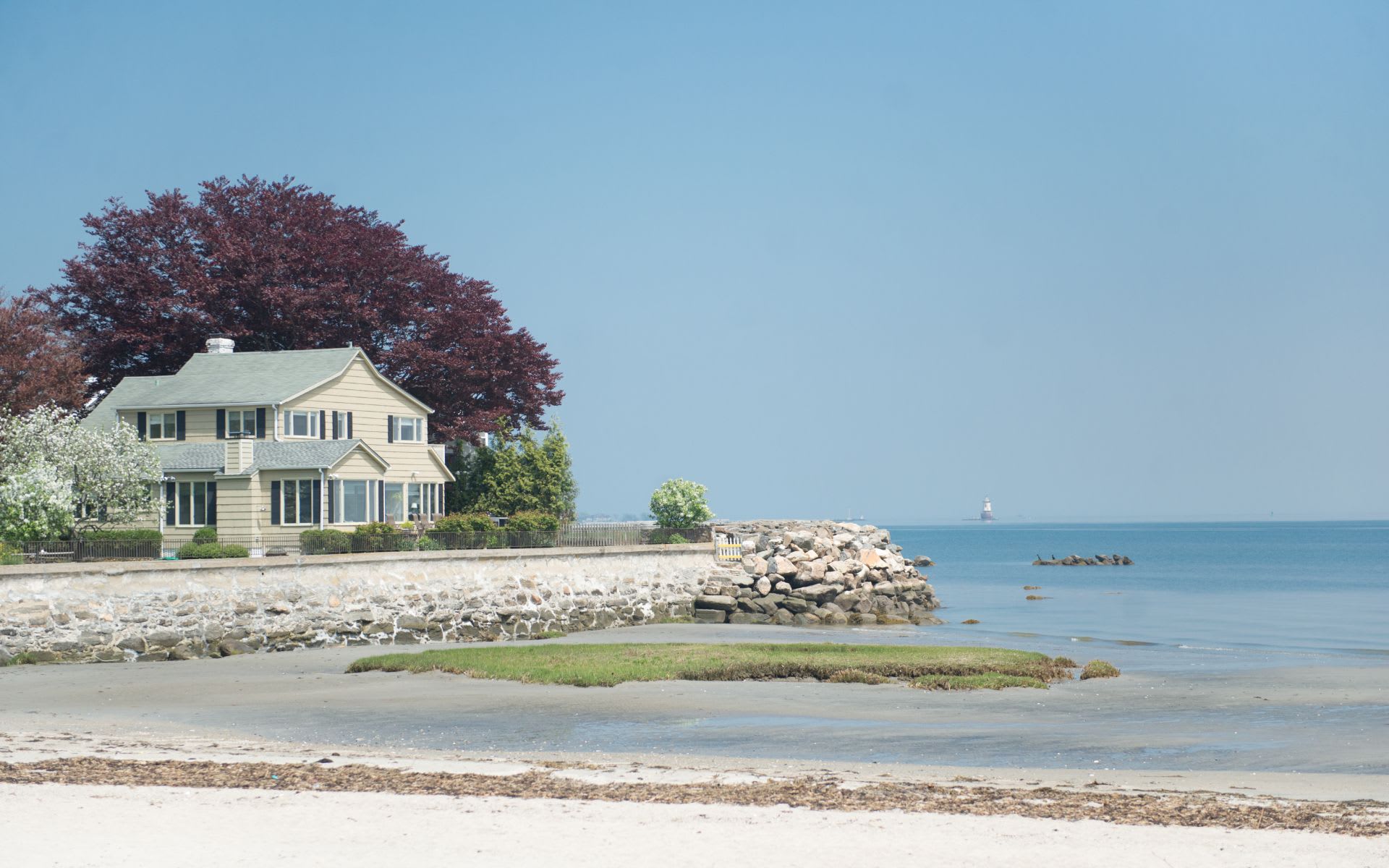
Part of what makes Old Greenwich special is the water, from the harbors to Greenwich Point Park, the 147-acre town park locals still call Tod's Point. Homes in low-lying areas near Long Island Sound can fall within FEMA flood zones, and that changes the renovation math.
Under the National Flood Insurance Program, a "substantial improvement" is any renovation, addition or repair whose cost equals or exceeds 50 percent of the market value of the structure. When a project crosses that line, the whole house generally has to be brought up to current flood standards, which can mean elevating it. Some towns also add up improvements over several years.
Before you commit to a house near the water, ask for the elevation certificate if one exists, check the FEMA flood map, get a flood insurance quote and confirm the rules with the Town. I would much rather you learn this during your inspection period than after closing.
A renovated home costs more on paper, but it can be the better value. Turnkey often wins when:
You need to move in on a set date, such as the start of a school year or a job relocation.
Paying rent or a second mortgage during a renovation would strain your budget.
The purchase price plus a realistic renovation budget comes close to the price of a finished home.
You simply do not want to live through a construction project.
Renovations almost always take longer than planned once permits and contractor schedules are involved. Building that time into your decision is part of choosing well.
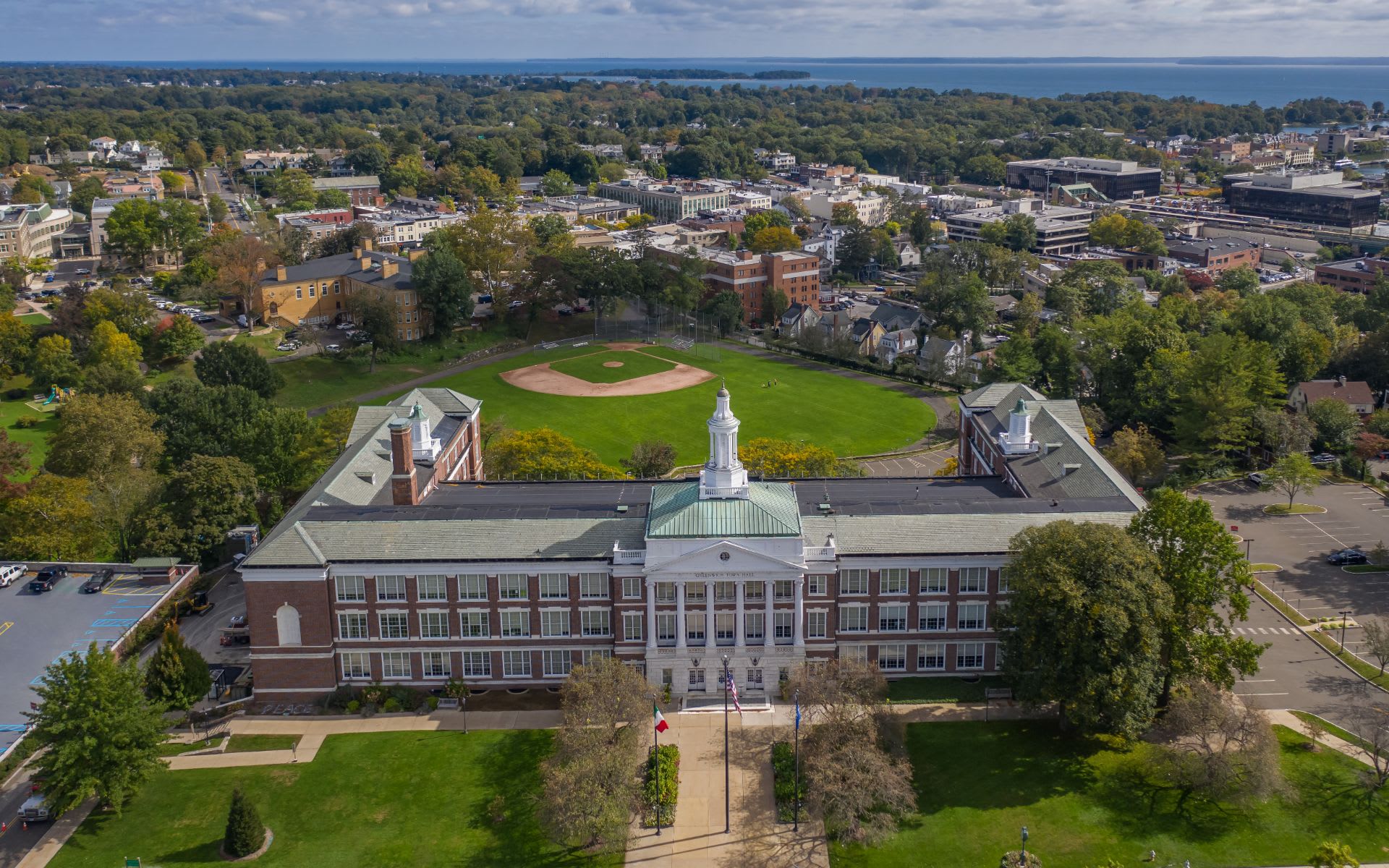
Old Greenwich is a competitive market. Buyers love the village feel along Sound Beach Avenue, the walk to the Old Greenwich train station and the beach just down the road. A house that needs work still attracts attention, so a strong offer matters.
Base your price on real estimates, not hope. Use your inspection to focus on major issues rather than a long list of small repairs. Many homes that need updating are being sold by long-time owners who are downsizing. In my work as a Certified Senior Advisor, I have seen how much those sellers value a respectful, clean offer and a flexible timeline, sometimes as much as the final number.
The right house that needs work is not a compromise. With the full picture, it can become exactly the home you wanted, in the neighborhood you love, on your terms.
Dena Zarra | Greenwich Streets Team at Compass | CSA - Certified Senior Advisor
Luxury guidance. Honest advice. Exceptional results.
The Greenwich Streets Team has been named RealTrends Verified for 2026, placing them among the top 1.5% of real estate professionals nationwide.
It depends on the house. Compare the purchase price plus a realistic renovation budget, a contingency for surprises and your carrying costs during the work against the price of a finished home. A contingency of 10 to 20 percent is a common rule of thumb for older homes.
For homes in a FEMA flood zone, if the cost of improvements equals or exceeds 50 percent of the market value of the structure, the home generally must be brought up to current flood standards, which may include elevating it. Check with the Town of Greenwich for how it applies to a specific property.
Most structural, electrical, plumbing and mechanical work requires a permit from the Town of Greenwich Building Department. It is also worth reviewing the permit history of any house you are considering buying.
Sometimes. Greenwich zoning limits building size through floor area ratio, height and setback rules, and homes in flood zones have additional requirements. An architect or zoning professional can confirm what is possible before you make an offer.
Look past the finishes to the basement, roof, windows, heating system and the grading around the foundation. Those areas reveal far more about future costs than the kitchen does.
Last updated: November 2026
Sources: FEMA National Flood Insurance Program definition of substantial improvement (44 CFR 59.1); Greenwich Point Park background from public Town of Greenwich and historical records.
Stay up to date on the latest real estate trends.
Blog
Blog
Blog
Market Report
Flat Sales are Good Sales | Second Best Year ever over $10M | Sales Fall Under $4M
Blog
Blog
Blog
Blog
Blog
Discover the best places to live across Greenwich
We are a dedicated group of Greenwich natives. We have a deep passion for our hometown and enjoy everything the town offers its residents from the beach front to the backcountry. That is why we don’t find you just any home, we find you the right home.
MARK PRUNER
DENA ZARRA
RUSSELL PRUNER
COMPASS
200 Greenwich Ave
3rd Fl Greenwich, CT 06830